 Cheapest to run
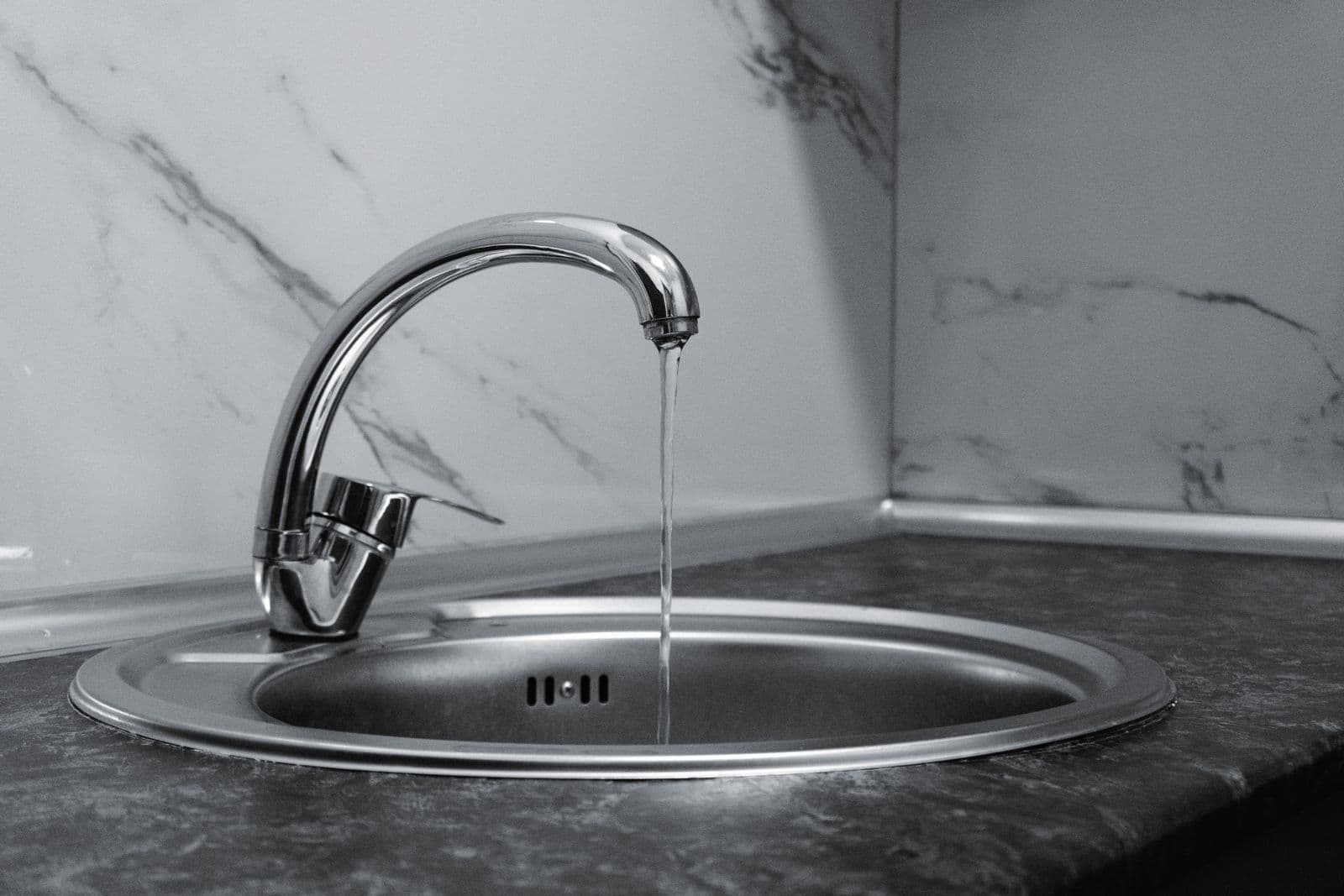
Tap water, unfiltered
The baseline. Free at the point of use and the honest answer for a lot of households.
- A year
- $8.39
- Year one
- $8.39
- $0.011 a gallon
- 0 minutes of your time a month
For a household drinking two gallons a day — about right for two adults who drink water rather than anything else. Everything included, nothing rounded away.
Not your household? Change the assumptions on the calculator and every number here moves with you.
Cheapest to runThe baseline. Free at the point of use and the honest answer for a lot of households.

Cheapest intervention. Refilling is the cost, and it is paid in attention rather than money.

No plumbing. You fill a tank and it fills a carafe. Waste water goes to a second tank you empty.

Plumbed in, out of sight, effectively unlimited, and the only filtered option that asks nothing of you week to week.
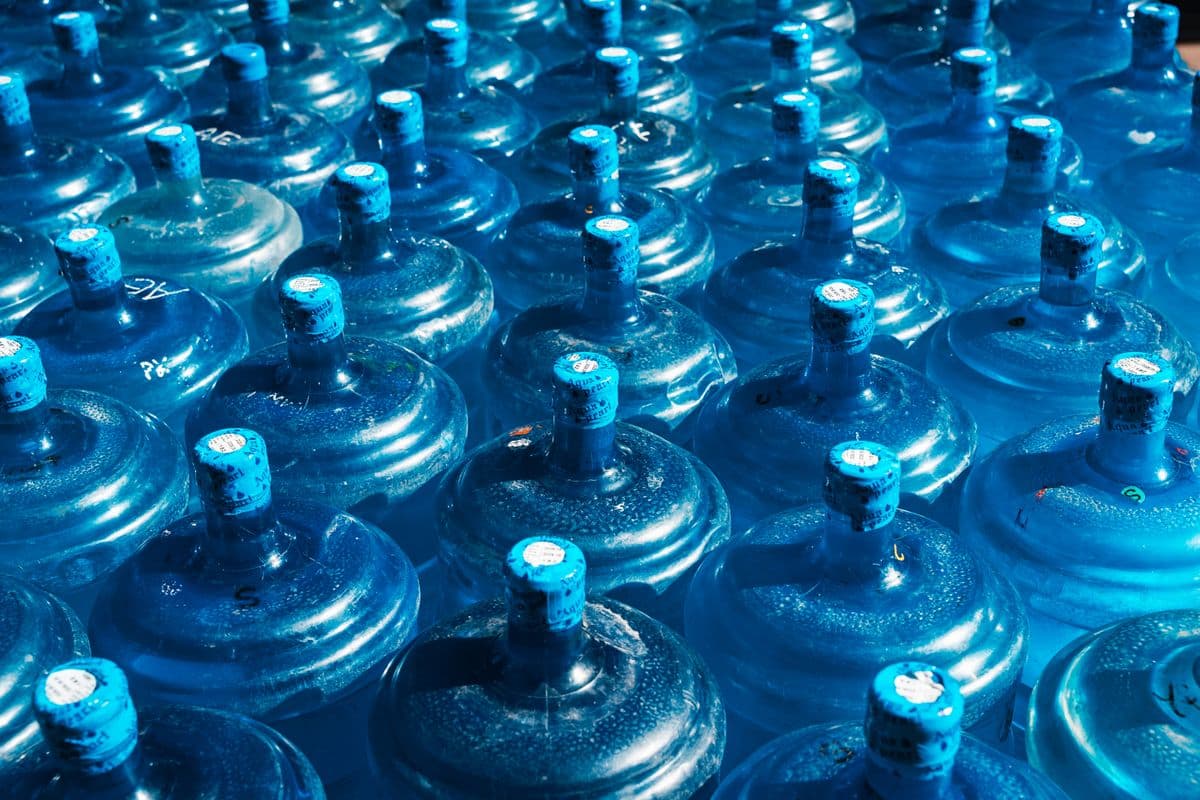
Cheapest per gallon of any bought water. You provide the jug, the car and the back.
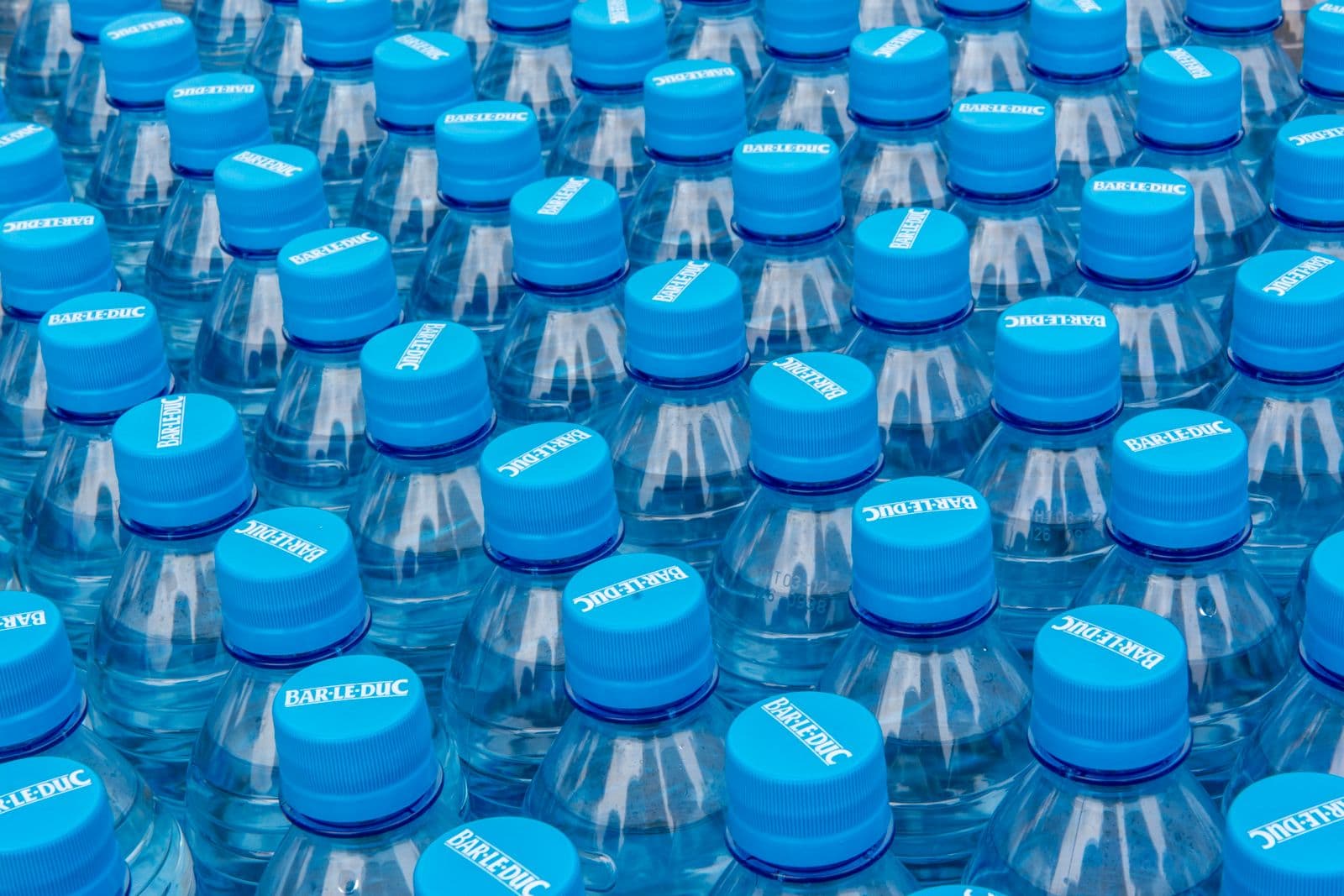
The default nobody chose. Convenient at purchase, and it fills your home with empties.
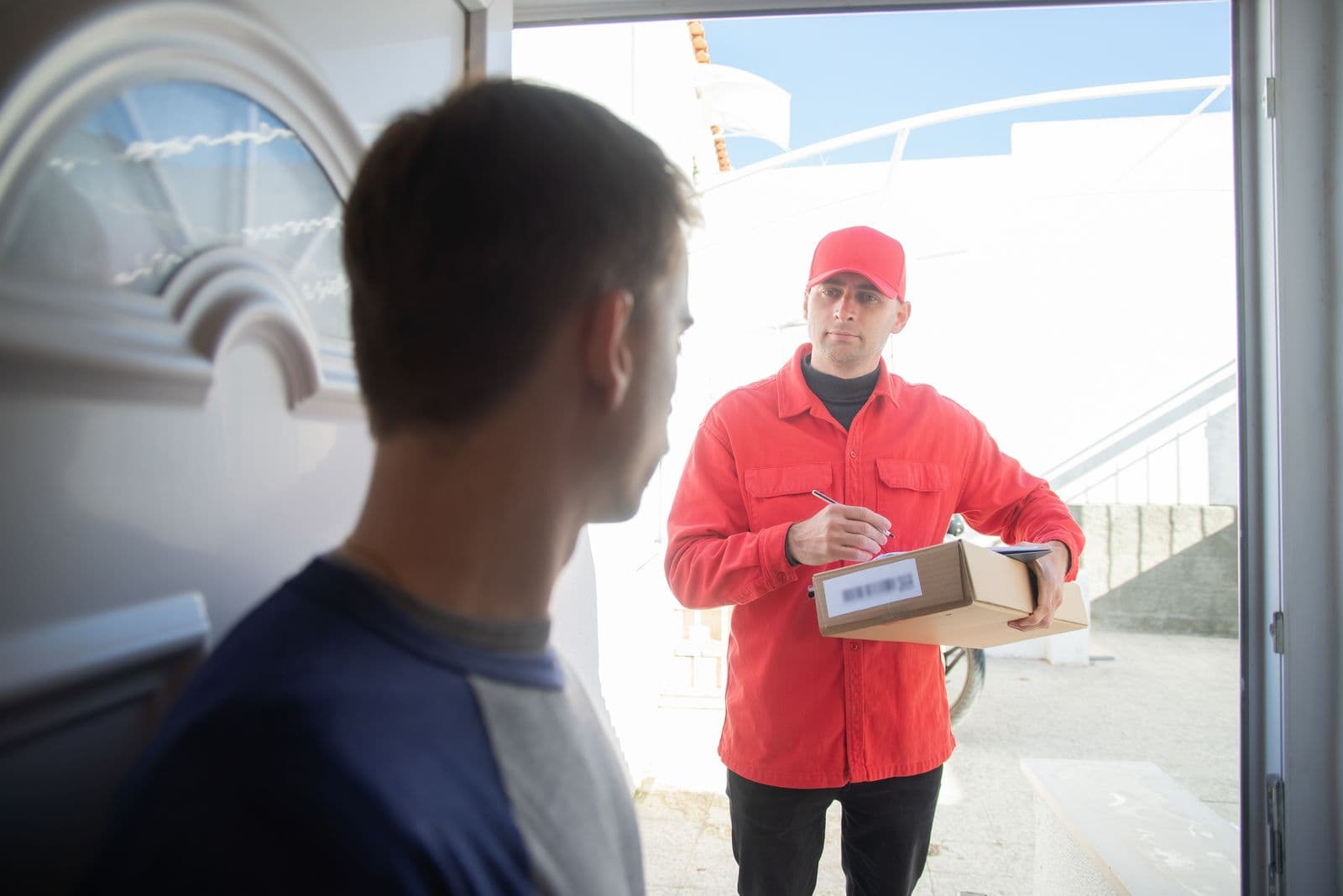
Someone else carries it. You pay for that, and you accept a schedule you do not control.
Read this before you choose
Run the numbers and the ranking barely moves: tap is cheapest, then a pitcher, then plumbed reverse osmosis, and delivery is expensive. That is not news to anyone. People still choose the expensive option because cost is not what they are optimising.
A full five-gallon jug weighs about 42 lb. At two gallons a day you are moving twelve a month. Fine at 30 in a house with a garage; the whole decision at 68 in a second-floor walk-up. No price comparison shows this.
A pitcher is cheap and fails constantly, because it depends on somebody refilling it. A plumbed system costs most upfront and asks nothing of you for a year. What you buy at the top of the range is the removal of a recurring small decision.
Delivery is the only option where somebody else decides when it happens. The complaint that follows people out of it is almost never price — it is the delivery nobody was home for, and how hard it was to stop.
If you are choosing between delivery and a plumbed system and the money is close, choose on these rather than on the money.
The shelf
Not a shortlist of favourites — the actual products the arithmetic above describes. Every one carries the objection we would raise if you asked in person. Start with the $14 meter; plenty of readers stop there, which is the point.

4.5★ 16,400 reviews · 2,000+ bought last month
Tells you your dissolved-solids number in about four seconds, which is where every decision on this site should start.
Against it: TDS is not a safety measurement. It counts dissolved solids and cannot see lead, PFAS or bacteria. It tells you how hard your water is and whether a filter is still doing anything — nothing more. Anyone selling you a system on a TDS reading alone is misleading you.

4.6★ 1,800 reviews · 1,000+ bought last month
The one that has been in service vans for fifteen years. Holds calibration better than the cheap ones.
Against it: Same limitation as every TDS meter, and it looks like it was designed in 2009 because it was.
4.5★ 9,300 reviews · 500+ bought last month
The cheapest way to get plumbed reverse osmosis, and the one that asks least of you afterwards — a filter change roughly once a year.
Against it: 50 gallons a day means a slow trickle — fine for drinking, irritating if you fill pots from it. Tank takes up most of an under-sink cupboard.
About $85/year in filters, plus roughly 2,190 gallons a year to drain at two gallons a day.

4.6★ 21,300 reviews · 3,000+ bought last month
Six stages with a remineralisation cartridge, because RO water tastes flat to a lot of people.
Against it: Six stages means six things to replace. The remineralisation stage is the one people quietly stop changing, and then they are paying for a stage that does nothing.
About $85/year in filters.

4.5★ 4,100 reviews · 3,000+ bought last month
Tankless, 600 gallons a day, and a 1:1 drain ratio instead of 3:1 — the only thing here that meaningfully cuts the waste cost.
Against it: Needs a power outlet under the sink, which a surprising number of kitchens do not have. Check before you order, not after.
About $95/year in filters, and roughly a third of the drain water of a conventional system.
4.6★ 3,600 reviews · 500+ bought last month
Reverse osmosis without touching your plumbing. The renter's answer.
Against it: It occupies a serious piece of counter and you empty the waste tank by hand — roughly two gallons poured away for every one you drink. That is the part the product page does not dwell on.
About $70/year in filters.

4.1★ 708 reviews · 1,000+ bought last month
Same idea, glass carafe instead of plastic, and independently certified against NSF standards.
Against it: 4.1 stars is the lowest rating on this page, and the recurring complaint is filter cost. Price the consumables before you buy the machine.
4.6★ 60,000 reviews · 10,000+ bought last month
The cheapest thing that changes how water tastes. Sixty thousand reviews for a reason.
Against it: Ten cups is about two and a half days at one gallon a day, which means refilling it constantly. Almost every pitcher that ends up in a cupboard was abandoned over the refilling, not the filtering.
About $63/year in filters at two gallons a day.

4.6★ 16,500 reviews · 8,000+ bought last month
Cheaper than the Brita with a 200-gallon filter rating rather than 40, so fewer changes.
Against it: Longer-life filters are a claim about a lab, not your water. On hard supply, expect well under the rating.
Countertop reverse osmosis costs more than plumbed reverse osmosis — roughly $389 against $235 — because the countertop machines carry a pump, a chiller and a case, and the plumbed ones carry none of that. You are paying a premium to avoid a two-hour plumbing job. That is a completely legitimate thing to buy if you rent, and a bad deal if you own.