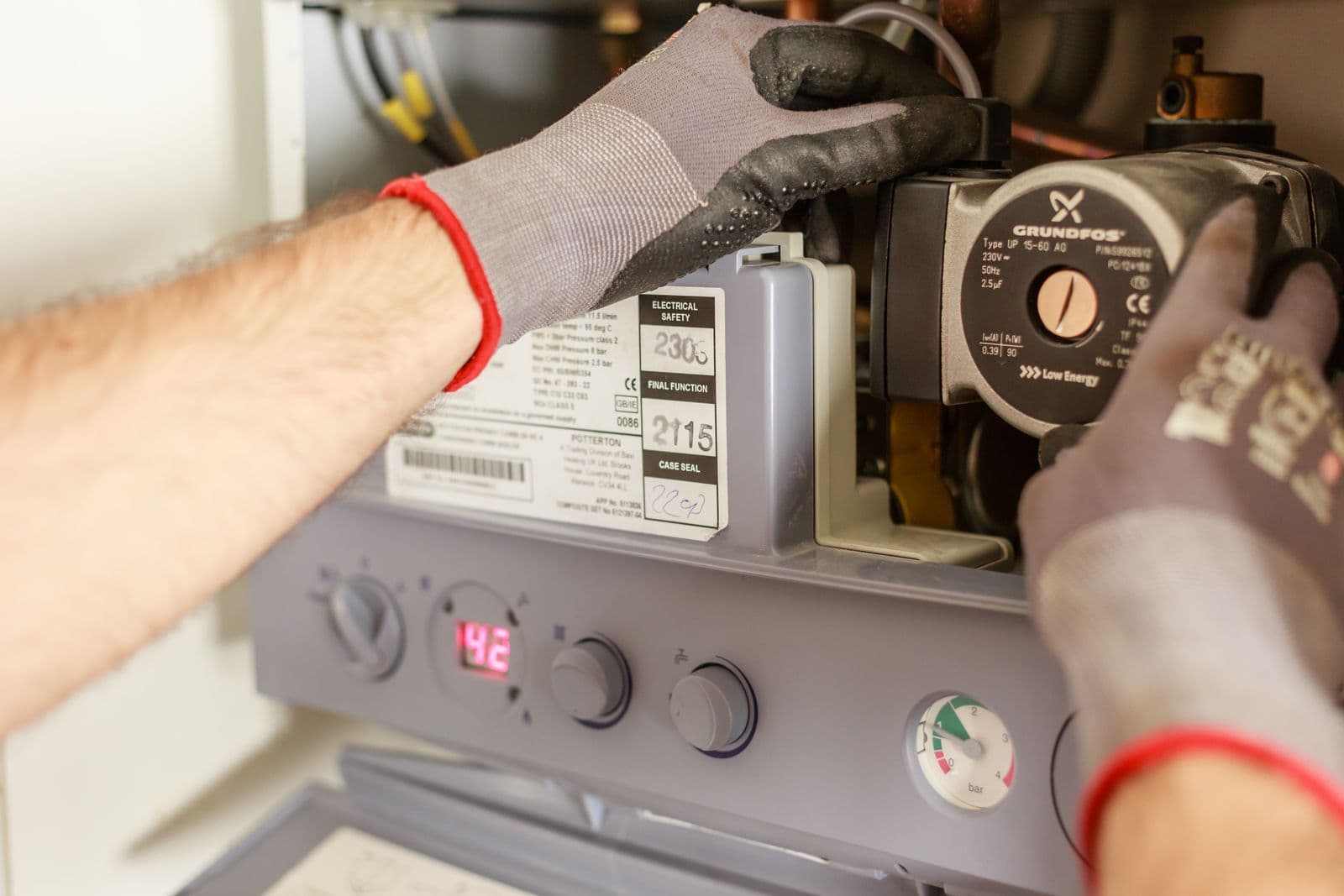
Installing a system
DIY vs a plumber, and the four parts nobody quotes
About $0.16 a gallon once it is plumbed in, against $1.14 for the same water in bottles. That is the whole argument — but only if you count the filters, the membrane at year three, and the three gallons it sends down the drain for every gallon it makes.
Nobody selling you water counts those. We do.
Every one of these ends in a number.
Everything included — the delivery fee, the filters, the membrane at year three, and the water an osmosis system pours down the drain.
Step 1 — how much do you drink?
Step 2 — how do you get it now?
Tap whichever is closest.
Your answer
Switching to a jug in the fridge saves you $761 a year.
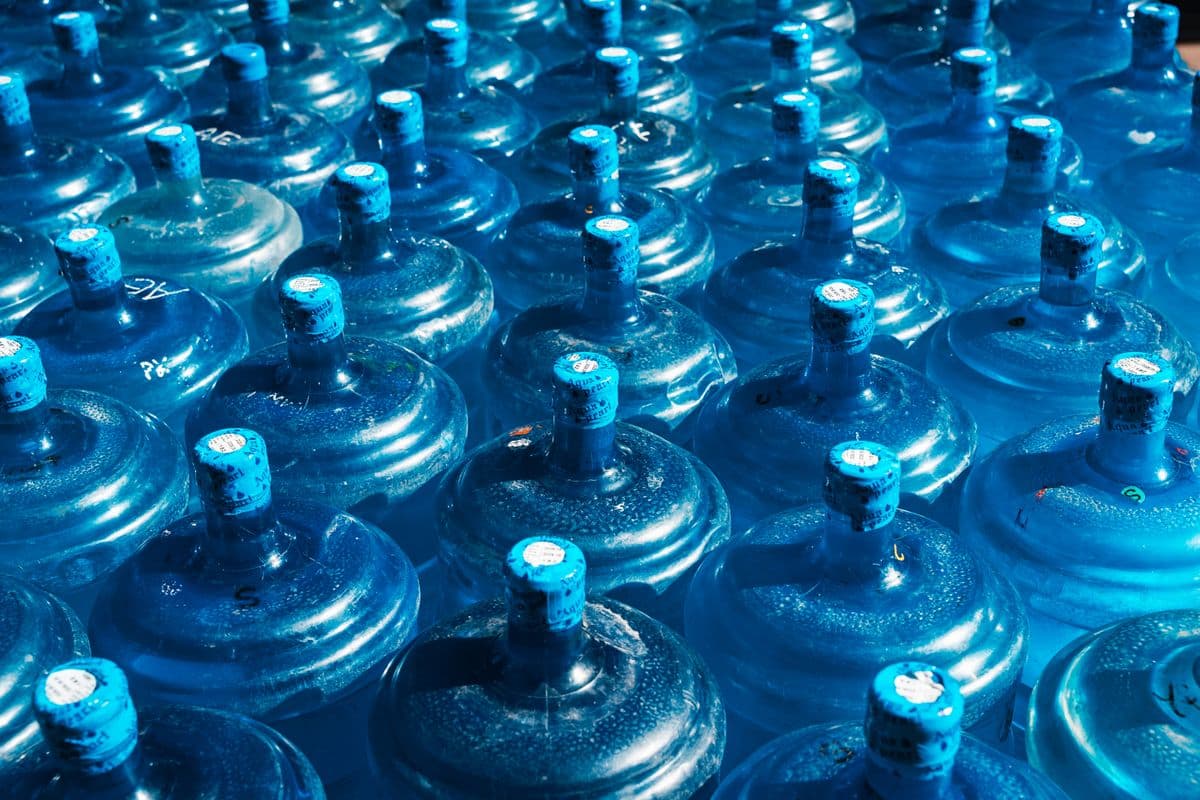
You are spending about $832 a year on bulk bottled water. The equipment costs $28.33 and pays for itself in 1 month.
But cheapest is not easiest
A jug in the fridge wants about 30 minutes a month of refilling and remembering. Plumbed in under the sink still saves you $714 a year and asks for 5 minutes. If a jug that never gets refilled is a realistic description of your household, buy the one that asks nothing.
Cheaper still: if your water is fine as it comes, the tap costs $8.39 a year and needs nothing buying at all. Test it for $14 before you spend more.
What a year costs, every way
Running cost after the first year, at 2.0 gallons a day.


A reverse osmosis system throws away roughly three gallons for every gallon it makes. Sewer is billed on what your meter says came in, not on what went out — so every rejected gallon is charged twice, once as water you bought and once as sewage it never became.
At 2 gallons a day: 2,190 gallons a year down the drain
It appears on no product page in this category. See how we work it out.
If it reads low and tastes fine, the honest answer is a jug in the fridge and nothing else. We would rather tell you that than sell you a $450 machine.

4.5★ 16,400 reviews · 2,000+ bought last month
Tells you your dissolved-solids number in about four seconds, which is where every decision on this site should start.
Against it: TDS is not a safety measurement. It counts dissolved solids and cannot see lead, PFAS or bacteria. It tells you how hard your water is and whether a filter is still doing anything — nothing more. Anyone selling you a system on a TDS reading alone is misleading you.

4.6★ 1,800 reviews · 1,000+ bought last month
The one that has been in service vans for fifteen years. Holds calibration better than the cheap ones.
Against it: Same limitation as every TDS meter, and it looks like it was designed in 2009 because it was.
Not a shortlist of favourites — the actual machines the arithmetic describes. Every one carries the objection we would raise in person.
4.5★ 9,300 reviews · 500+ bought last month
The cheapest way to get plumbed reverse osmosis, and the one that asks least of you afterwards — a filter change roughly once a year.
Against it: 50 gallons a day means a slow trickle — fine for drinking, irritating if you fill pots from it. Tank takes up most of an under-sink cupboard.
About $85/year in filters, plus roughly 2,190 gallons a year to drain at two gallons a day.

4.6★ 21,300 reviews · 3,000+ bought last month
Six stages with a remineralisation cartridge, because RO water tastes flat to a lot of people.
Against it: Six stages means six things to replace. The remineralisation stage is the one people quietly stop changing, and then they are paying for a stage that does nothing.
About $85/year in filters.

4.5★ 4,100 reviews · 3,000+ bought last month
Tankless, 600 gallons a day, and a 1:1 drain ratio instead of 3:1 — the only thing here that meaningfully cuts the waste cost.
Against it: Needs a power outlet under the sink, which a surprising number of kitchens do not have. Check before you order, not after.
About $95/year in filters, and roughly a third of the drain water of a conventional system.

Twenty-one years of scaled elements, seized valves and ice machines that die twice a year in the same restaurant.
In 2019 I got tired of billing the same taqueria in Mesa for the same failure, tested their supply out of irritation, went home and tested mine, and found mine worse. Then I tried to work out what fixing it would cost and could not find one honest number anywhere. Every page was selling something.
So I started keeping my own. That is all this site is: seven years of receipts, filter logs and meter readings, put in order.
